


-

Add: HeBei ShengShi HongBang Cellulose Technology CO.,LTD.
-

Email
13180486930@163.com -

CONTACT US
+86 13180486930
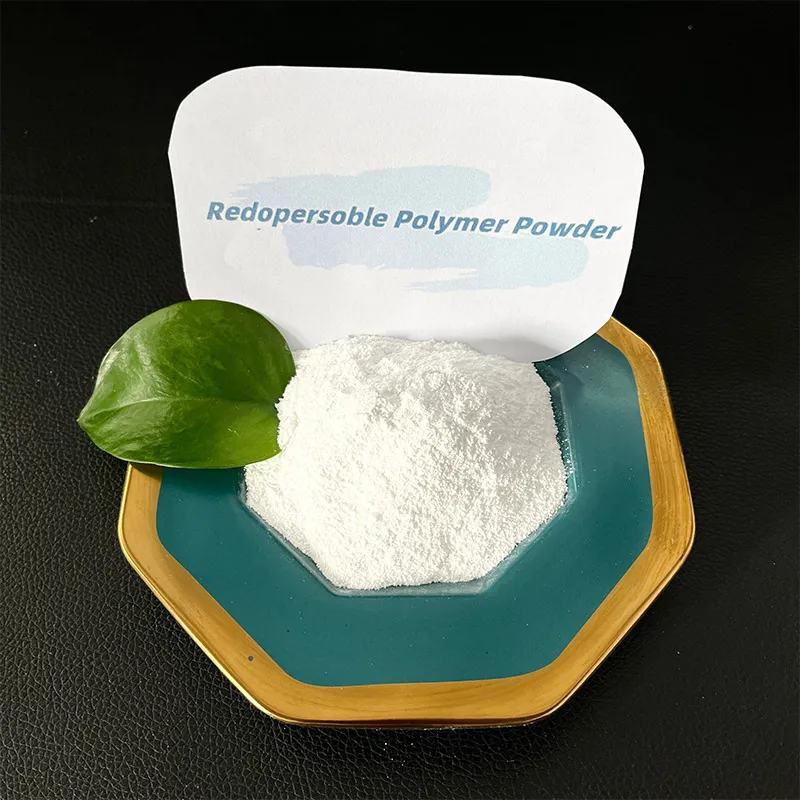
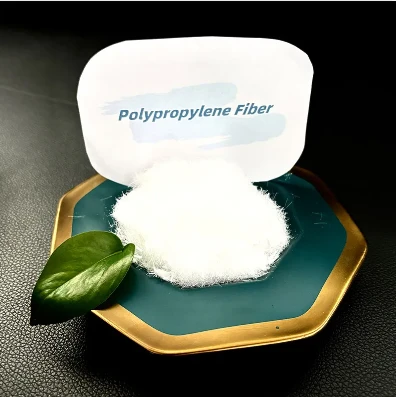
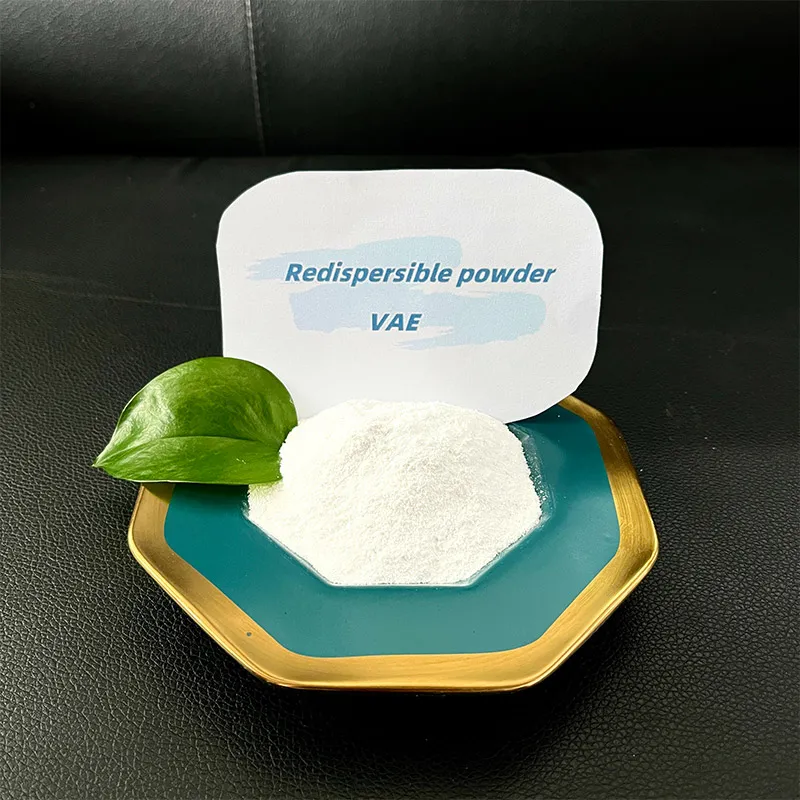
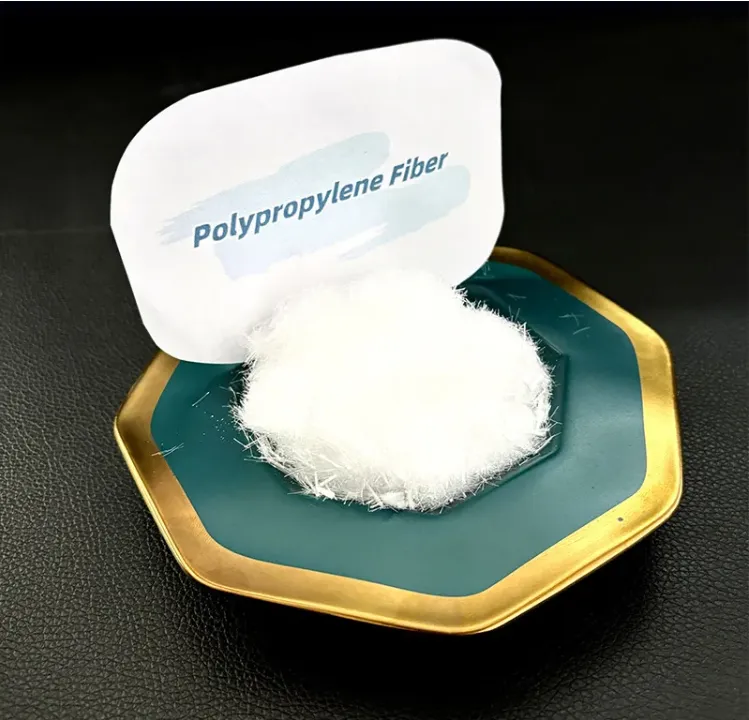
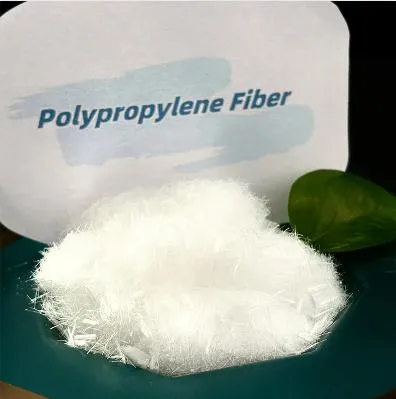


Polimer Un Taği Zamonaviy Texnologiyalar va Qishloq Xo‘jaligida Qo‘llanilishi Polimer un taği, zamonaviy materiallar muhitida muhim o‘rin tutadi. U polimerlarning mikroskopik qismlaridan tashkil topgan bo‘lib, ko‘plab sohalarda qo‘llaniladi, ayniqsa qishloq xo‘jaligida. Ushbu maqolada polimer un tağinin nimadan iboratligi, uning xususiyatlari va afzalliklari haqida so‘z yuritamiz. Polimer un taği, asosan, plastik materiallardan yaratiladi. Un taği sifatida qo‘llanilishidan maqsad, qishloq xo‘jaligida tuproqni yaxshilash, o‘simliklarni himoya qilish va yig‘im-terim jarayonlarini soddalashtirishdir. Bu materiallar nafaqat o‘simliklar uchun ozuqa manbai bo‘lib xizmat qiladi, balki tuproqning fizik va kimyoviy xususiyatlarini ham yaxshilaydi. . Bundan tashqari, polimer un taği tuproqni mahkamlaydi va uning strukturaviy yaxlitligini ta’minlaydi. Bu, o‘simliklarning ildiz tizimining yanada yaxshi rivojlanishiga yordam beradi. Tuproqning tuzilishi yaxshi bera olishi va havo almashinuvi yaxshi bo‘lishi natijasida, o‘simliklar sog‘lom va kuchli bo‘lib o‘sadi. полимер ұнтағы Polimer un taği, shuningdek, tuproqning kimyoviy xususiyatlarini yaxshilashda ham muhim rol o‘ynaydi. U tuproqdagi minerallarni va boshqa oziq moddalarni eng qiyin sharoitlarda ham saqlab qolish imkonini beradi. Natijada, o‘simliklar uchun zarur bo‘lgan ozuqa moddalarining samarali singishi ta’minlanadi. Qishloq xo‘jaligi sohasida polimer un tağini qo‘llash nafaqat o‘simliklarning samarali o‘sishini ta’minlaydi, balki bu jarayonni iqtisodiy jihatdan ham foydali qiladi. O‘simliklar yuqori hosil berishiga olib kelishi, fermerlar uchun moliyaviy jihatdan foydali bo‘ladi. Shuningdek, bu usul qishloq xo‘jaligida resurslarni tejashga yordam beradi, chunki suv va yeyish quvvatlari ancha samarali ishlatiladi. Shuni ta’kidlash kerakki, polimer un tağinin iste'moli va ishlatilishi ekologik jihatdan ham xavfsizdir. Tobora ko‘proq fermerlar va agronomlar bu materialni tanlaydilar, chunki u tuproqning ekotizimini buzmaydi va tabiatga zarar yetkazmaydi. Demak, polimer un taği nafaqat odamlar uchun, balki atrof-muhit uchun ham foydali materialdir. Xulosa qilib aytganda, polimer un taği zamonaviy qishloq xo‘jaligida juda muhim va foydali materialdir. Uning suvni ushlab turish, tuproqni yaxshilash va o‘simliklar hosilini oshirishdagi o‘rni har bir fermer va agronom uchun ahamiyatlidir. Polimer un tağini qo‘llash orqali qishloq xo‘jaligida samaradorlikni oshirish, istiqbolli kelajakni yaratish mumkin.
- 40000tons

Production
- 20+years

Experience
- 5000+㎡

Acreage

-
When exploring the landscape of construction materials, HPMC Limited emerges as a pivotal player, renowned for its premier-grade Hydroxypropyl Methylcellulose (HPMC) products. These products are essential in delivering unmatched quality, stability, and reliability across various applications, particularly in the construction industry. HPMC Limited has consistently showcased its expertise by developing products that cater to the demanding needs of the modern construction sector. Their HPMC formulations are extensively utilized in producing high-performance adhesives, renders, and plasters. These materials benefit from the water retention and consistency control provided by HPMC, which ensures optimal working conditions and excellent durability of the final product. Professional builders and construction specialists trust HPMC Limited due to their commitment to quality and rigorous testing standards. Each batch of their HPMC products undergoes meticulous quality control checks . This rigorous process ensures the purity and effectiveness of the cellulose ether derivatives provided by the company. Clients often commend the high viscosity and optimal solubility of their products which enhance the performance of cement-based materials. Furthermore, HPMC Limited’s research and development team is at the forefront of innovation, continually exploring ways to refine their products to better meet industry needs. Their dedication to sustainable practices and environmentally-friendly production methods also sets them apart. By reducing volatile organic compounds and limiting emissions during manufacturing, they demonstrate responsible stewardship of the environment, an increasingly important factor in the construction industry. hpmc limited The authority of HPMC Limited extends beyond product quality to include a robust support system and a knowledgeable customer service team. This team is dedicated to providing expert recommendations and assistance, ensuring that clients can seamlessly integrate HPMC products into their workflows with confidence. Their technical support is seen as a collaborative effort with clients, maximizing the benefits and applications of HPMC across various projects. Moreover, HPMC Limited is recognized for its transparent and reliable business practices, fostering trust among its clientele. Their partnerships span across multiple regions, with an established reputation for delivering on-time and providing a steady supply chain that is crucial for large-scale construction projects. This reliability ensures that project timelines remain intact and construction quality is never compromised. HPMC Limited’s educational initiatives also enhance their authority in the industry. By hosting workshops and seminars, they disseminate key knowledge and advancements in cellulose derivative technology. These sessions offer invaluable insights into product applications and advancements, thereby promoting skill enhancements among industry professionals. In conclusion, HPMC Limited stands out in the fiercely competitive construction materials sector by delivering high-quality HPMC products that are integral to modern building solutions. Their expertise, authority, and trustworthy nature have solidified their status as a leader in the industry. Construction professionals seeking a partner that combines product excellence with environmental consciousness and exceptional customer support need look no further than HPMC Limited. With a track record of success and a vision for sustainable building practices, they remain a preferred choice for professionals demanding the best in construction material technology.
-
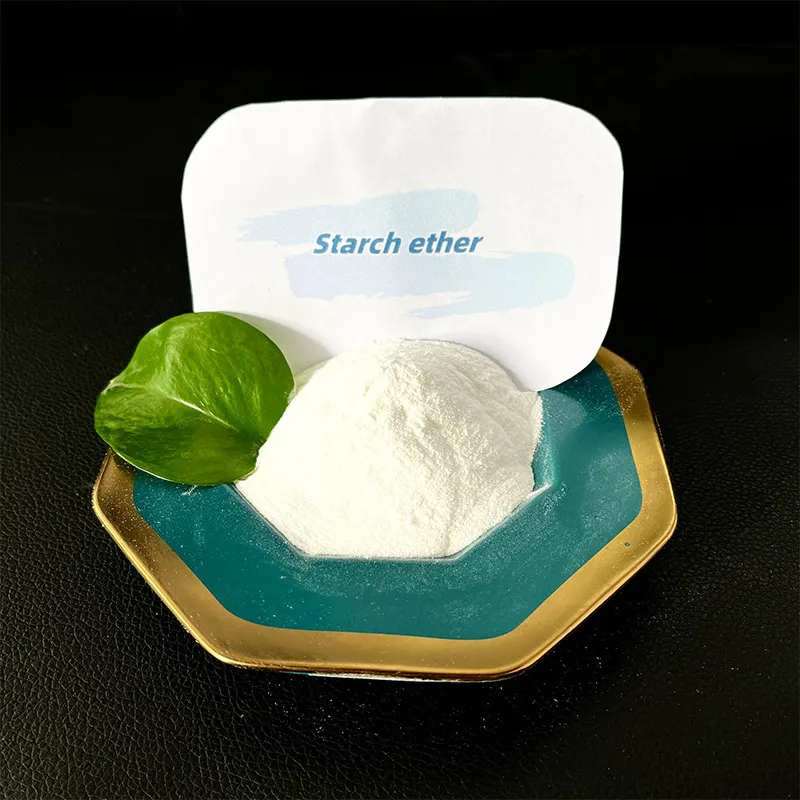
The world of hair care is evolving, with consumers seeking products that not only meet aesthetic desires but also promote overall hair health. One such innovative ingredient that stands out in the hair care market is hydroxypropyl starch phosphate, a modified starch that serves as an exceptional conditioning agent. This article delves into its multifaceted benefits, applications, and why it is gaining traction among hair care enthusiasts and professionals. Hydroxypropyl starch phosphate is derived from natural starch, typically sourced from corn or potatoes. This ingredient undergoes a modification process, which enhances its properties, making it particularly suitable for hair care applications. By altering the starch’s molecular structure, it becomes an effective film-former and stabilizer, endowing hair products with improved texture and performance. From a professional standpoint, hydroxypropyl starch phosphate is praised for its conditioning benefits . It effectively smooths the hair shaft, reducing frizz and enhancing shine. This is achieved by forming a thin film over the hair strands, which not only protects the hair from external aggressors but also locks in moisture. Unlike some synthetic polymers traditionally used in hair care, this modified starch is biodegradable, presenting an eco-friendly alternative that aligns with the growing consumer demand for sustainable beauty solutions. Hair health experts emphasize the importance of hydration and protection in maintaining vibrant hair. Hydroxypropyl starch phosphate contributes to these aspects by preventing moisture loss and shielding hair from thermal damage. Its ability to withstand high temperatures without breaking down makes it an excellent ingredient for products aimed at thermal protection, such as heat protectants and leave-in conditioners. Scientific studies and real-life testimonials corroborate the efficacy of hydroxypropyl starch phosphate in enhancing hair manageability. Users have reported noticeably softer and more manageable hair with continued use of products containing this ingredient. Furthermore, because it is derived from natural sources, it is gentle enough for daily use across various hair types, including chemically treated and sensitive scalps. hydroxypropyl starch phosphate hair In terms of professional formulations, hydroxypropyl starch phosphate’s versatility cannot be overstated. It seamlessly integrates into a wide range of hair care products, from shampoos and conditioners to styling creams and gels. Its compatibility with other common cosmetic ingredients ensures that product efficacy is not compromised, making it a preferred choice for formulators striving to create holistic hair care solutions. Trust and transparency are pivotal in today’s consumer landscape. As a naturally derived ingredient, hydroxypropyl starch phosphate offers a trustworthy option for brands and consumers alike. Its safety profile bolstered by regulatory approvals in major markets, assures users of its quality and efficacy. Additionally, its application in hair care represents a bridge between nature and science, exemplifying how innovative technology can enhance natural ingredients to meet modern beauty standards. Authoritative voices in the beauty industry have recognized hydroxypropyl starch phosphate for its superior benefits compared to traditional conditioning agents. Publications in cosmetic science journals highlight its multifaceted nature, underscoring its crucial role in developing advanced hair care products that cater to a diverse audience with varying hair care needs. For consumers and beauty professionals seeking a reliable, effective, and sustainable ingredient in hair care, hydroxypropyl starch phosphate presents a compelling option. Its ability to deliver consistent performance without compromising on safety makes it a standout choice in an industry where consumers are increasingly mindful of ingredient sourcing and environmental impact. As the quest for healthier, more sustainable hair care options continues, hydroxypropyl starch phosphate represents a step forward. By merging efficacy with environmental responsibility, it embodies the future of hair care, with promising potential for innovation. This ingredient is not just a solution for today’s consumers but a benchmark for tomorrow’s hair care formulations.
advantages
-

200000 Viscosities
Excellent product
We can produce pure products up to 200,000 viscosities
-

40000 tons
High yield
We don’t stop production all year round, and the annual output can reach 40,000 tons
-

24 hours
Quality service
We provide 24-hours online reception service, welcome to consult at any time
———— Inquiry Form
Schedule A services

-
 hpmc_buyer
Oct . 25, 2025
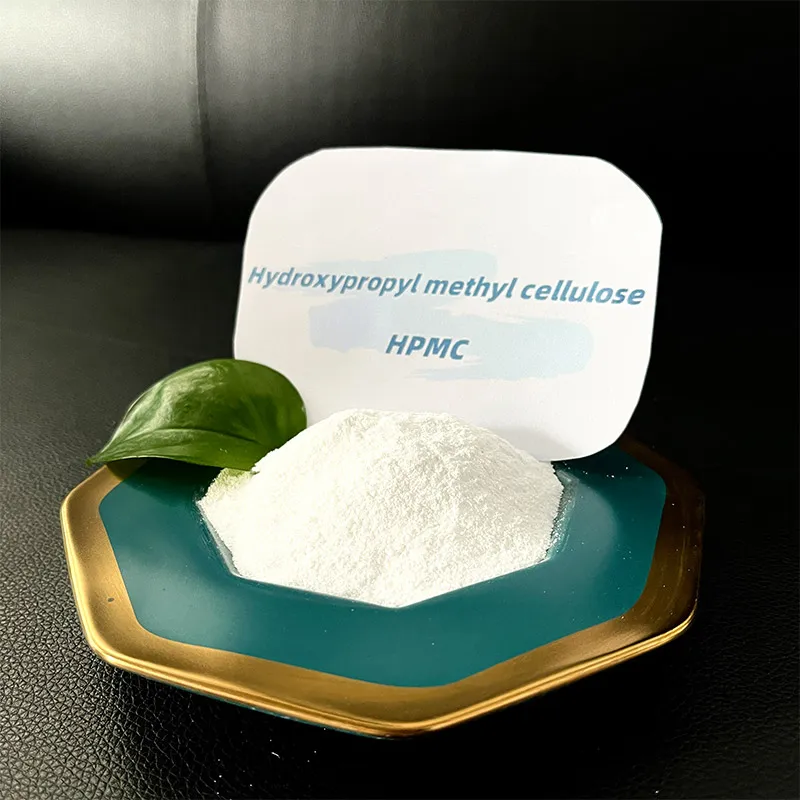
Understanding Cellulose in Wood Cellulose is a vital organic polymer that plays a crucial role in th -
 hpmc_k100m_use
Oct . 25, 2025
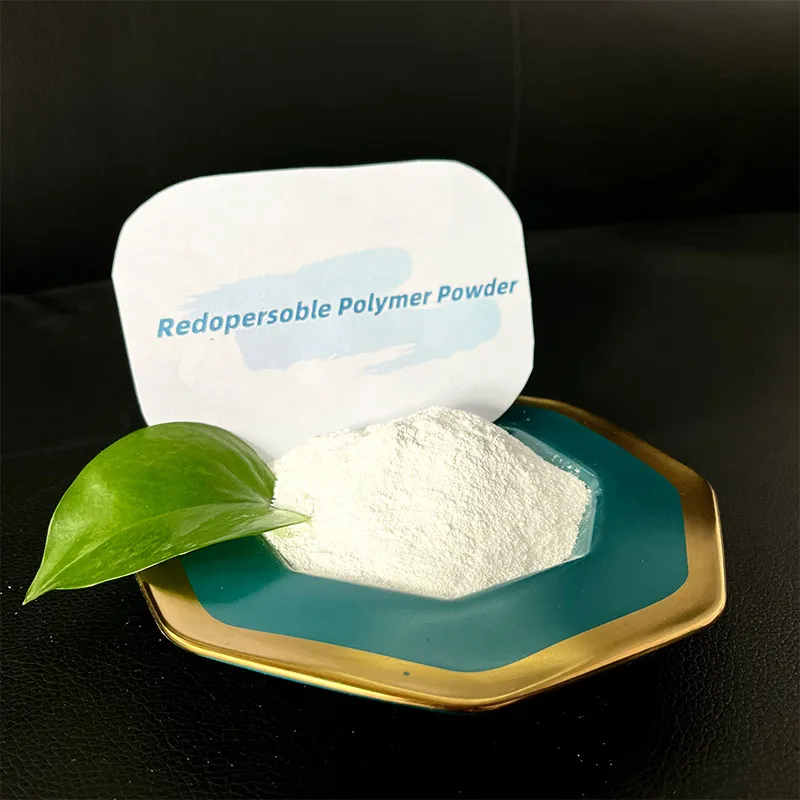
L’idrossipropilmetilcellulosa (HPMC), con il suo grado specifico E5, ha attirato l'attenzione di mol -
 prix_de_la_methylhydroxyethylcellulose
Oct . 25, 2025
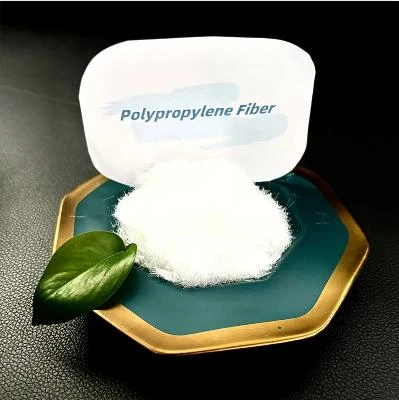
Polypropylene fiber is a versatile, high-performance material that offers a wide range of benefits f


